
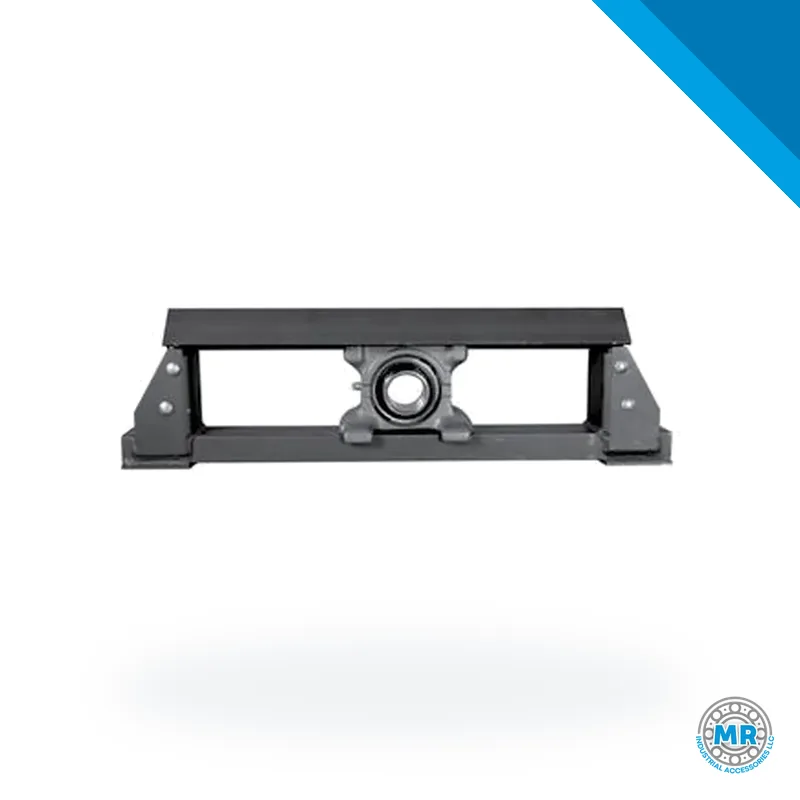

LINK-BELT TDSU263N30 take-up bearing
- Brand
- LINK-BELT
- Category
- Bearing housings
- Subcategory
- Bearing housings
- Series
- 200
We reply promptly.
Tell us the quantity you need and request a quote by WhatsApp or email.
Can't find the exact model? Tell us the part number or model you need. We'll track it down and quote it, whether or not it appears in our catalog.
Description
LINK-BELT TDSU263N30 belongs to take-up bearing, part of our Bearing housings range. Tell us how many you need by WhatsApp or email and we'll get back to you promptly with a quote for TDSU263N30 and any equivalents.
For belt or chain drives that lose tension as they wear, the LINK-BELT 200 series take-up bearing provides an adjustable mounting point on the slack side. Moving the bearing in its frame restores the correct position and keeps the drive running true. MR Industrial Accessories LLC supplies this series in a range of shaft sizes and mounting styles. To get a quote, just send us the code from the unit or the drawing.
The code on a 200 series unit tells you what you are holding. It starts with the base series, then a three-digit block that covers size and mounting arrangement, and ends with a final digit that changes with shaft diameter. TDSU codes follow this pattern, so the last number is your quickest clue to the bore. Always confirm against the nameplate or the equipment drawing rather than relying on memory.
You will find these bearings on bucket elevators, belt conveyors, chain conveyors and belt drive systems in food processing, cement, mining and aggregate operations. They suit dusty, damp or moderately loaded conditions. The take-up function matters most where a loose belt or chain would jump teeth or drift out of alignment. Different models cover different shaft diameters.
Selection comes down to three things: shaft diameter, mounting type and the room you have around the installation. Flange and take-up configurations are not interchangeable, so match the frame you already have. The mounting surface should be clean and flat, and the bearing must line up with the pulley or sprocket to avoid side loads. Correct lubrication and good sealing against contaminants will extend service life; in harsh environments, specify the variant with reinforced seals. Follow the manufacturer's instructions for tightening and tension adjustment.
When a unit fails, a cross-brand equivalent is often the practical route. LINK-BELT, Rexnord and other makers frequently share standardized dimensions, but appearance alone is not enough. Verify the complete code and the critical dimensions before you substitute anything. MR Industrial Accessories LLC can point you to the compatible option within the line it carries. If the original has a special suffix, keep it, because that suffix controls fit and take-up travel.
To request a quote for a LINK-BELT 200 series take-up bearing, send the full code from the equipment or documentation by WhatsApp or email. We reply promptly. If the reference is not clear, send the model or the shaft dimensions and we will help you identify the right option. MR Industrial Accessories LLC supplies this line and can advise on selection and installation.
Dimensions
- Bore
- 3 15/16 in
Frequently asked questions
- How do I identify the LINK-BELT take-up bearing model I need?
- Check the code stamped on the bearing or on the equipment nameplate. In the 200 series, the letters and numbers indicate size and shaft diameter. If you cannot find it, send a photo or the shaft dimensions and we will help you identify it.
- What applications do 200 series take-up bearings have?
- They are used in conveyors, elevators and belt or chain drives to maintain tension. They are common in food, cement, mining and aggregate plants. They handle dust and moisture, and different models fit different shaft diameters.
- How do I request a quote for a LINK-BELT take-up bearing on WhatsApp?
- Write to us on WhatsApp with the complete bearing code or the equipment model. We will send you the quote promptly. If you do not have the code, send the shaft dimensions and a photo of the installation so we can identify the reference.