
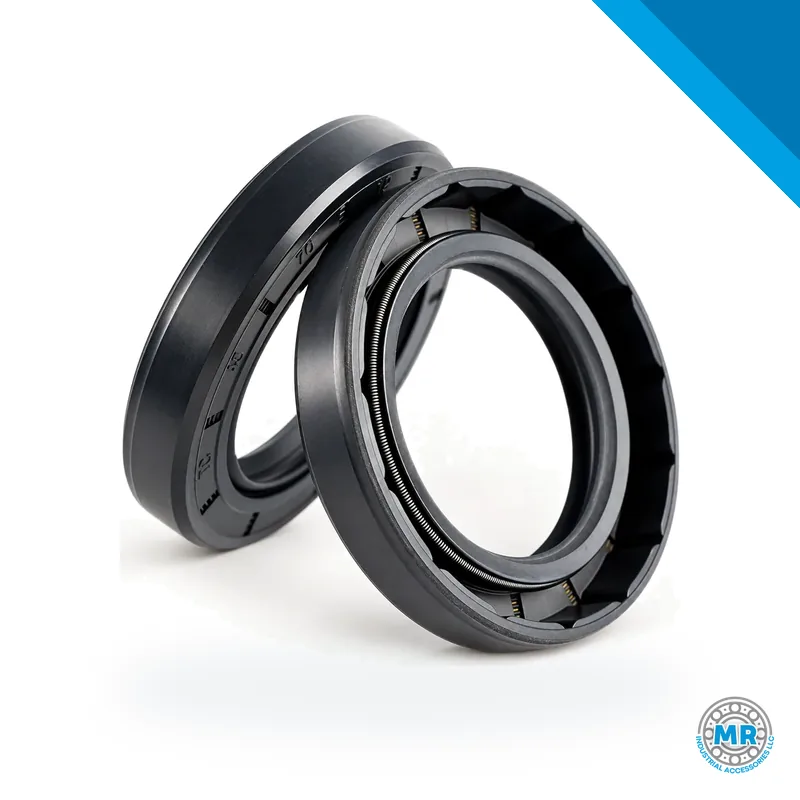

DBH 9885 radial shaft seal — 34.5 x 59.2 x 14
- Brand
- DBH
- Category
- Seals
- Subcategory
- Radial shaft seals
We reply promptly.
Tell us the quantity you need and request a quote by WhatsApp or email.
Can't find the exact model? Tell us the part number or model you need. We'll track it down and quote it, whether or not it appears in our catalog.
Description
DBH 9885 belongs to radial shaft seal, part of our Seals range. Tell us how many you need by WhatsApp or email and we'll get back to you promptly with a quote for 9885 and any equivalents.
When a gearbox, pump or motor starts weeping oil around the shaft, the DBH 9885 radial shaft seal is the part most maintenance teams reach for. It is a spring-loaded lip seal in the A 328 design that presses into the housing bore and rides on the rotating shaft, holding lubricant in and keeping dust and water out. Its three key measurements are a 34.50 mm shaft, a 59.20 mm housing bore and a 14.00 mm width, so it drops into assemblies built around those figures.
Reading the designation helps you order correctly. The number 9885 identifies the seal itself, while A 328 describes the lip geometry: a single sealing lip with a spring, intended for rotating shaft service. The three figures that follow are always given in the same order, shaft first, housing bore second, width last. On this seal that means a 34.50 mm shaft, a 59.20 mm housing bore and a 14.00 mm width. Because the lip contacts both the shaft and the bore, all three values have to match the original assembly.
Seals of this type show up in gear reducers, centrifugal pumps, electric motors, line shafts, conveyor rollers and general process machinery. They do two jobs at once: they stop grease or oil from escaping along the shaft, and they block grit, water and metal chips from reaching the bearings behind them. In dirty or wet areas that second job matters just as much as the first, since contamination is what usually shortens bearing life. Treat the seal as a wear item and plan to renew it whenever you see weeping, staining or a change in noise near the seal area.
Selection starts with measurement. Confirm the shaft diameter, the housing bore and the width against the part you are removing, and inspect the shaft surface at the same time. A worn groove or a deep scratch under the lip will chew through a new seal quickly, so address that before fitting. During installation, coat the lip with the same lubricant used in the equipment, seat the seal square to the shaft, and press it in evenly rather than striking one side. Remove any burrs or sharp edges from the housing bore first so the lip is not nicked on the way in.
If you are working from part number 9885 alone, send it over and we will look for a match. Useful details include the shaft diameter, housing bore and width you measured, plus a photo of the old seal where possible. With that information we can point you to an equivalent in the same brand or in another line we supply, and we can tell you whether the A 328 lip is the right choice for your service conditions or whether a different lip style suits the application better.
To request a quote for the DBH 9885 seal, send the part number through WhatsApp or email. If the dimensions are uncertain, include your measurements and we will confirm them before you order. Our team works with industrial brands every day and can suggest equivalents and help you choose the right part for the equipment.
Dimensions
- Shaft (d)
- 34.5mm
- Housing bore (D)
- 59.2mm
- Height (h)
- 14.00mm
- Design
- A 328
Frequently asked questions
- What are the dimensions of the DBH 9885 oil seal?
- It measures 34.50 mm at the shaft, 59.20 mm at the housing bore and 14.00 mm in width, in the A 328 design. Check these values against the part you are replacing before requesting a quote.
- How do I confirm this seal fits my equipment?
- Measure the shaft diameter, the housing bore and the width of the old seal. If they read 34.50 x 59.20 x 14.00 mm, the DBH 9885 is the right size. If they differ, ask us about an equivalent.
- What should I watch for during installation?
- Lubricate the lip, check the shaft for wear or burrs, and press the seal in square to the shaft without striking it from the side. Careful fitting avoids early leaks and extends seal life.